
Business
Business
Business
Business
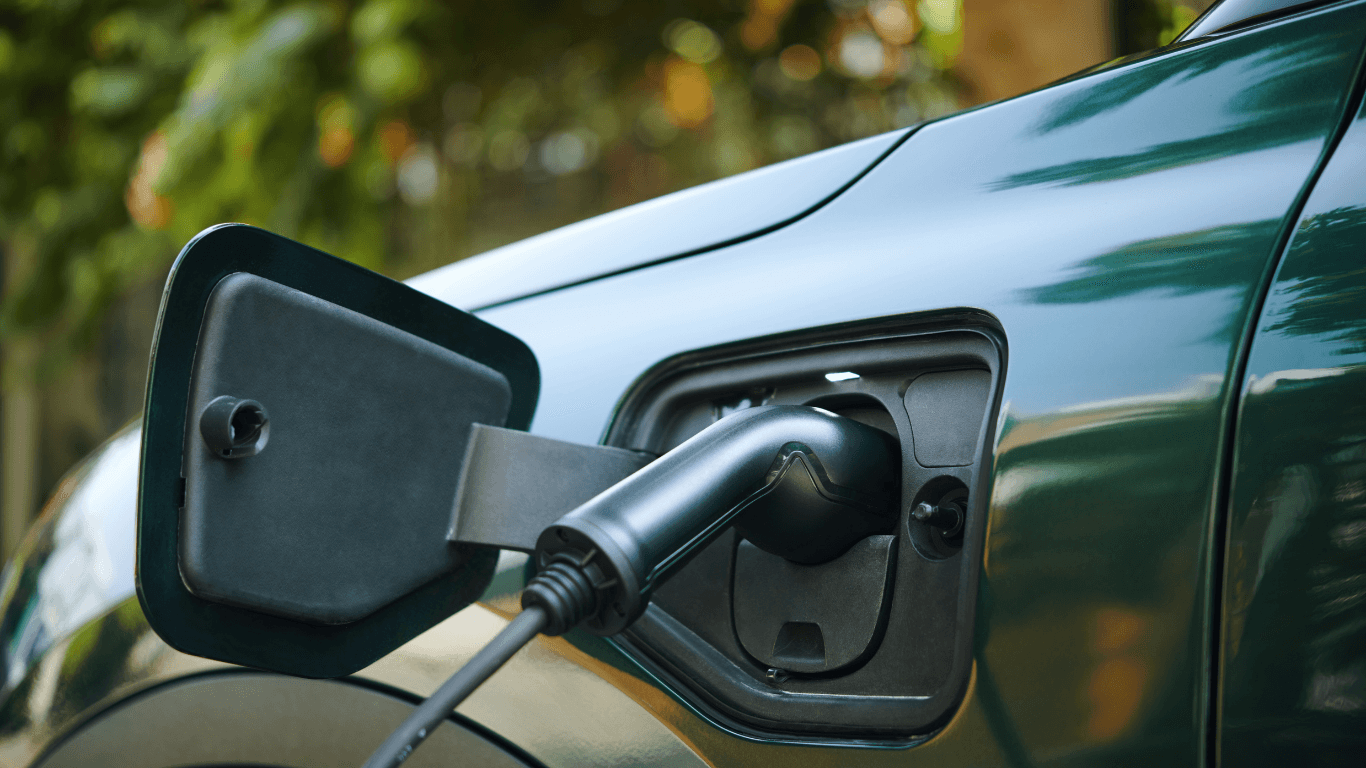
Electric vehicles just crossed a line nobody was tracking closely enough. For the first time, EVs made up more new car registrations in Singapore than petrol and hybrid models combined, according to recent Straits Times reporting on the country's EV ownership trends (straitstimes.com). Government rebate schemes have pushed adoption further and faster than most five-year forecasts predicted, and Singapore's 2040 target to phase out internal combustion engine vehicles suddenly looks a lot more achievable.
That's the headline. Here's the part the headline doesn't cover: every EV on the road is running on a lithium-ion battery pack that will, eventually, reach the end of its life. And most businesses adjusting their fleets, offices, and facilities for this shift haven't thought past the purchase decision.
Rebates of up to $30,000 per vehicle have made the switch to electric an easy decision for individual buyers and corporate fleets alike. What gets far less attention is where an EV battery goes once it's degraded, damaged, or simply outlived the vehicle it powered.
Lithium-ion batteries aren't like the alkaline batteries in a TV remote. They contain recoverable materials such as lithium, cobalt, and nickel, but they also carry real safety risks if handled incorrectly. Thermal runaway, fire risk during transport, and improper landfill disposal are not hypothetical concerns. They are the exact reasons Singapore regulates battery recycling under the National Environment Agency (NEA), rather than leaving it to general waste channels.
For a business, this isn't just an environmental footnote. It's a compliance question, a workplace safety question, and increasingly, an ESG reporting question.
At KGS, battery recycling runs through a licensed facility purpose-built for safe handling of end-of-life batteries, including the lithium-ion packs used in EVs, e-scooters, laptops, and backup power systems. Batteries are broken down through automated systems and industrial shredders, separating out copper, aluminium, and plastic components while producing black mass, the material concentrate that carries the recoverable lithium, cobalt, and nickel content. This first-stage processing is what makes further downstream material recovery possible.
This approach means fewer batteries end up in general waste or landfill, and it's exactly the kind of documentation many organisations now need for ESG disclosures and sustainability audits. It also removes the risk of an untrained team member trying to dispose of a damaged battery pack the wrong way.
The process itself follows a straightforward path for any business: submit a request, get scheduled for doorstep collection, and receive responsible recycling backed by NEA licensing and ISO-certified environmental and safety management systems.
The EV headline is the visible tip of a much bigger shift. Singapore's push toward electrification extends into e-scooters, power tools, backup infrastructure, and the growing footprint of solar installations across the island. Each of these depends on the same category of battery and raises the same end-of-life question.
Add to that the broader wave of corporate e-waste recycling and IT asset disposition that comes with any large-scale technology transition, and it becomes clear that battery recycling isn't a standalone service. It's one piece of a company's overall approach to responsible waste management, sitting alongside data destruction, e-waste, and equipment disposal under one compliant, auditable process.
Fleet operators, property managers, and facilities teams switching to electric vehicles and equipment are making a sustainability decision at the point of purchase. The second half of that decision, what happens when the battery reaches end of life, is easy to defer until it becomes an urgent problem. Getting a recycling partner in place before that point means one less compliance gap to close later, and one less line item to scramble for when an ESG audit or NEA inspection comes around.
KGS works with organisations across Singapore on exactly this kind of forward planning, backed by NEA General Waste Collector and Disposal Facility licenses, ISO 9001, ISO 14001, and ISO 45001 certification, and membership with the Waste Management and Recycling Association of Singapore (WMRAS).
KGS recycles lithium-ion batteries used across a range of applications, including electric vehicles, e-scooters, laptops, and backup power systems, through a licensed facility that carries out first-stage processing, recovering copper, aluminium, and separated plastics while producing black mass for further downstream material recovery.
Yes. Battery recycling falls under NEA licensing requirements due to the fire and environmental risks associated with improper handling and disposal of lithium-ion cells.
Yes. Businesses can submit a request through KGS's battery recycling service page, and the KGS team will arrange doorstep collection.
A licensed recycling process gives businesses auditable documentation showing batteries were processed responsibly rather than sent to general waste, which supports sustainability disclosures and environmental compliance reporting.
Yes. KGS offers a full range of services covering e-waste recycling, data destruction, solar panel recycling, and IT asset disposition, all under one compliant provider.
Sign up for exclusive offers, events and more.