
Business
Business
Business
Business
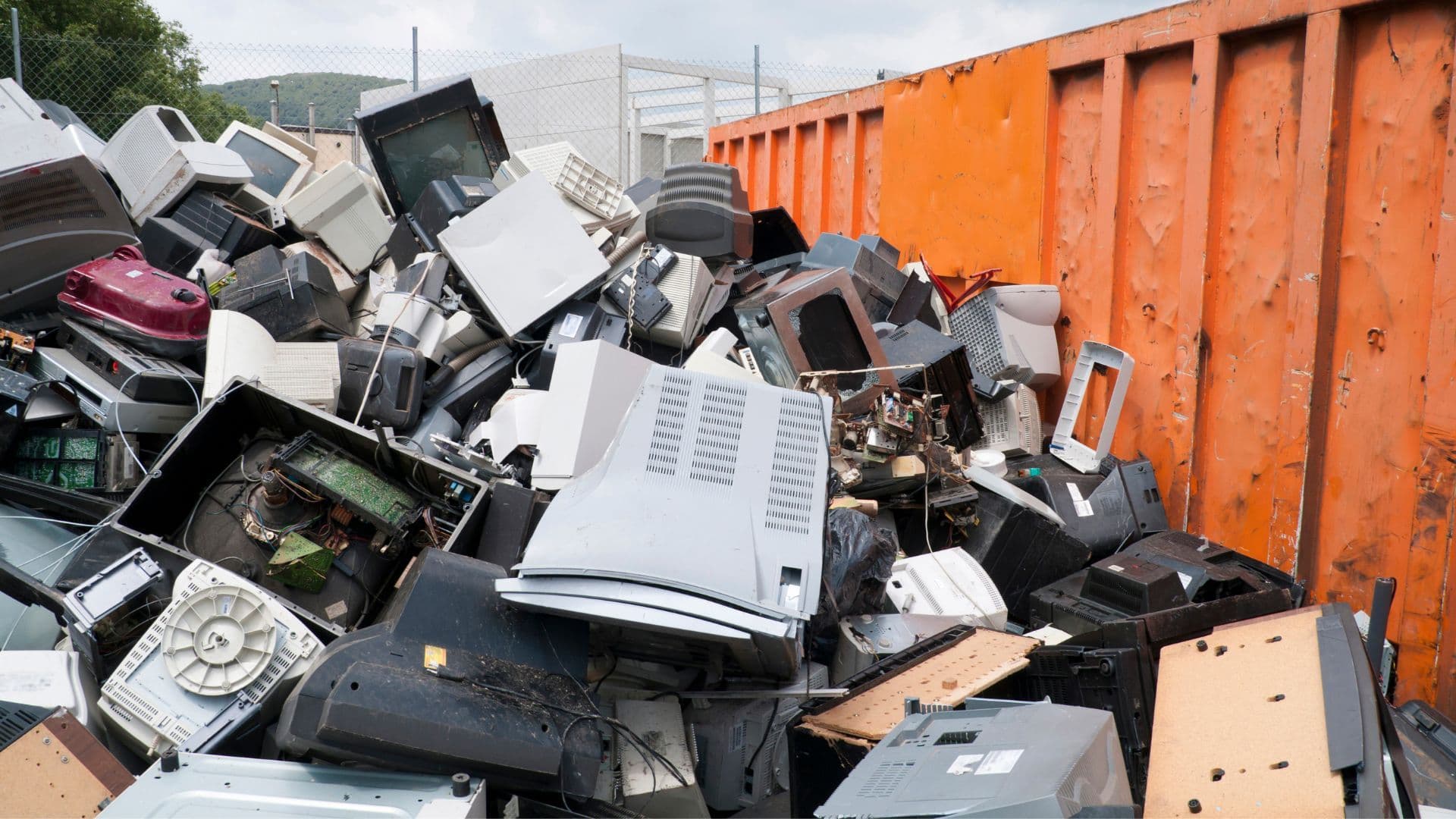
To dispose of and recycle corporate electronics securely in Singapore, use a NEA-licensed recycler that destroys your data first and gives you a certificate. In short: inventory the assets, wipe or destroy the data, then hand them to a licensed provider for e-waste disposal and recycling. Here is the step-by-step checklist.
Jump to the checklist, why it matters, common mistakes, or the FAQs.
Follow these six steps to keep the process secure, compliant and traceable.
Start with a list. Record each device and its serial number against your asset register, so the count that leaves the office is the count that gets processed.
Back up anything you still need. Then sign out of accounts, remove the device from your MDM or device-tracking, and cancel any licences tied to it.
This is the step that makes disposal secure. Do not rely on a factory reset alone.
Ask for a certificate of destruction. See the KGS secure data destruction service for how each method is applied and certified.
Sort the hardware into two piles. Working, recent gear may be worth remarketing; dead or obsolete gear goes to recycling.
Remarketing can recover some value, though a return is not guaranteed. This is handled under ITAD. Not sure which route fits, or when to use ITAD instead of plain recycling? See our guide on e-waste recycling versus ITAD.
Book collection with a NEA-licensed provider so your equipment is transported under a documented chain of custody and processed legally, not dumped. KGS handles corporate e-waste disposal and recycling with no enterprise minimum, so an SME can have the volumes it actually has collected.
Close the loop with documentation. You can request a certificate of recycling for your records, and a certificate of destruction for any data-bearing assets.
Retired office electronics often still hold company and customer data, so disposal is a data-protection issue, not just a housekeeping one.
Under the PDPA, improper disposal of data-bearing media can count as a data breach. Destroying the data and keeping the certificate is what protects you. For the full compliance picture, read our guide to PDPA-compliant IT asset disposal.
KGS is a NEA-licensed recycler that runs collection, certified data destruction and recycling under one chain of custody.
To get started, contact KGS to arrange a collection, or explore the e-waste disposal and recycling service.
Have working laptops, servers or data-bearing drives to retire? You may need ITAD instead, which destroys the data, remarkets anything with resale value, then recycles the rest.
Need extra assurance on the data itself? Hard drives, SSDs and other storage media can go through the KGS secure data destruction service, which shreds, crushes, degausses or wipes them and issues a certificate of destruction.
Inventory the devices, destroy or wipe the data to a recognised standard, then use a NEA-licensed recycler to collect and process them under a documented chain of custody. Keep the certificate as your proof.
Yes. Company drives can still hold data after a factory reset. Wipe reusable drives to the NIST SP 800-88 standard, and physically destroy faulty or high-security media. Get a certificate of destruction.
For data-bearing assets, KGS issues a certificate of destruction. For e-waste recycling, you can request a certificate of recycling.
No. E-waste should go to a licensed recycler, and improper disposal of data-bearing media can count as a breach under the PDPA. Use a NEA-licensed provider instead.
A NEA-licensed recycler. KGS collects corporate e-waste with no enterprise minimum, so an SME can have the volumes it actually has picked up and processed.
Disposal is getting the equipment off your hands responsibly; recycling is recovering the materials inside it. A licensed recycler does both, and destroys the data first for data-bearing devices.
It depends on the volume, device types and whether data destruction is needed, so pricing is quoted per job. Contact KGS to arrange a collection and a quote.
Yes. Dead or obsolete electronics go to recycling, while working, data-bearing IT can go through ITAD, where the data is destroyed and the hardware may be remarketed. KGS runs both under one chain of custody.
Sign up for exclusive offers, events and more.